• ♥ Attualmente 24.000 vini solo per te! ♥
  • Un consiglio personale!
  • Imballaggio sicuro!
  • Spedizione affidabile!

Vini Sauvignon Blanc (1.167)

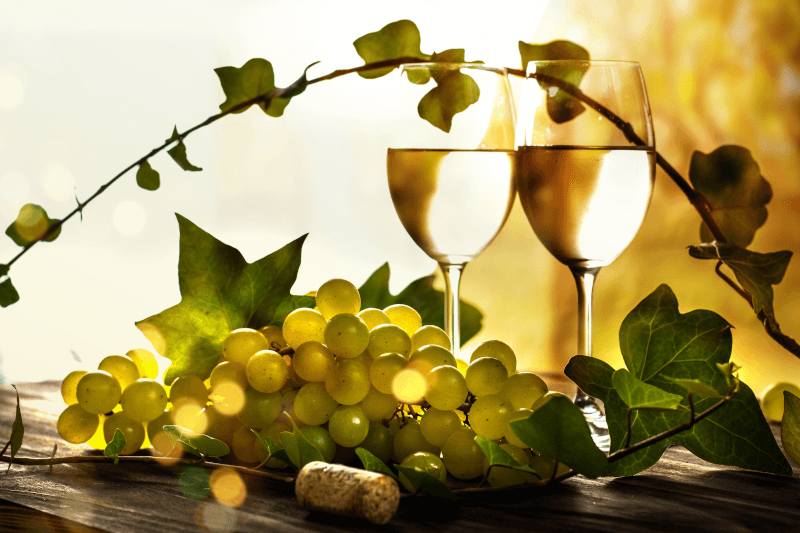
Il vino bianco dalla frizzante uva Sauvignon Blanc, ha negli ultimi anni, un'ascesa selvaggia, a uno dei vitigni più popolari e più diffusi, dietro se stesso.

Per saperne di più su Vini Sauvignon Blanc
Non sono stati trovati risultati con i filtri applicati.
Non disponibile
CONSIGLIATO!
consigliato dal team
Prezzo e gusto TOP!
vegano vegano
9999
2025
Non disponibile
CONSIGLIATO!
consigliato dal team
Prezzo e gusto TOP!
vegano vegano
5.00
(1)
asciutto asciutto
Germania Germania
Palatinato (DE) Palatinato
15,78 €*
0.75 l (21,04 € * / 1 l)

Tempi di consegna circa 4-6 giorni lavorativi

Non disponibile
9999
2024
Non disponibile
asciutto asciutto
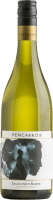
Nuova Zelanda Nuova Zelanda
Wairarapa (NZ) Wairarapa
18,88 €*
0.75 l (25,17 € * / 1 l)

Tempi di consegna circa 5-7 giorni lavorativi

Non disponibile
9999
2022
Non disponibile
5.00
(1)
asciutto asciutto
Austria Austria
Stiria (AT) Stiria
25,98 €*
0.75 l (34,64 € * / 1 l)

Tempo di consegna circa 3-5 giorni lavorativi

15% di sconto - ultime bottiglie!
Ora risparmia qui!
🌿 10 % di sconto di primavera 🌿 Prezzi primaverili
Sfoglia ora!
Must-Have Vini
Questi vini dovresti gustare!
Pacchetti di prova
Prova ora la varietà e risparmia!
1
2 3 4 5 6
1 - 25 / 1058

Sauvignon blanc Wein - worldwide wine

Sauvignon Blanc is one of the best-known and most appreciated white grape varieties worldwide. It embodies freshness, diversity, and elegance like hardly any other. Originally from France, Sauvignon Blanc has made a name for itself over the centuries. The name stands for quality wine, found in the cellars of connoisseurs and enthusiasts alike. The characteristic range of aromas ranges from grassy-fresh notes to vibrant citrus and exotic fruits. This offers Sauvignon Blanc a fascinating flavor diversity. This excites wine lovers all over the world. The grape variety is worth a journey of discovery. The journey takes us from the traditional vineyards in the heart of France to the dynamic and innovative growing regions around the globe. Dive with us into the world of Sauvignon Blanc. Discover the history, the secrets, and the joys that this extraordinary grape has to offer.

History and Origin

The history of Sauvignon Blanc dates back far and is closely intertwined with the winegrowing tradition of France. As one of the oldest known grape varieties, it has its roots in western France. More specifically, in the Loire Valley and Bordeaux regions. The first written records that attest to the existence of Sauvignon Blanc date back to the early 18th century. However, it is believed that cultivation began much earlier.

Genetic studies have revealed that Sauvignon Blanc is a natural crossing of Traminer and Chenin Blanc. This discovery has not only shed light on the ancestry of the grape but also confirmed its relationship to other well-known varieties such as Cabernet Sauvignon. The latter originated from a cross between Sauvignon Blanc and Cabernet Franc.

The grape variety gained legendary status over the centuries, especially due to the production of outstanding wines in Bordeaux and the Loire Valley. In Bordeaux, Sauvignon Blanc is often blended with Sémillon and Muscadelle to create high-quality sweet wines like Sauternes and dry white wines. In the Loire Valley, however, where the grape is grown in appellations such as Sancerre and Pouilly-Fumé, pure varietal wines are produced. They are known for their freshness, minerality, and aromatic complexity.

Sauvignon Blanc vineyard in Sancerre

The curiosity of winemakers and the joy of experimentation have led to the global spread of Sauvignon Blanc. Today, the grape variety can be found in nearly all wine-growing regions of the world. From New Zealand and Australia to South Africa and Chile, and beyond to the United States. Each region adds its unique characteristics to the wines, thus expanding the spectrum of what Sauvignon Blanc can be.

Growing Areas Worldwide

Sauvignon Blanc thrives in a variety of climates and soil types, leading to an impressive range of wine styles. The key growing areas can be classified as follows:

France

  • Loire Valley: The heart of Sauvignon Blanc, known for its mineral, elegant wines with pronounced citrus and grassy notes.
  • Bordeaux: Here, Sauvignon Blanc is often combined with Sémillon for dry and sweet white wines. They impress with their complexity and ageability.

New Zealand

  • Marlborough: This region has developed into a synonym for Sauvignon Blanc over the last few decades. The wines are known for their intense aromatics, with pronounced notes of gooseberry, passion fruit, and green pepper.

Other Significant Regions

  • South Africa, especially the Western Cape, produces Sauvignon Blanc wines that are appreciated for their fruity and sometimes mineral profiles.
  • Chile, particularly the cool Casablanca Valley, is known for its fresh, vibrant Sauvignon Blancs with tropical fruit notes.
  • Australia also offers a wide range of Sauvignon Blanc styles, especially from cooler regions such as Tasmania and Adelaide Hills.

Each of these growing areas brings unique characteristics to the wines, which depend on specific climatic conditions, soil composition, and cultivation methods. In the following section, we will take a closer look at these factors.

Climatic Conditions and Soil Composition

Sauvignon Blanc is a versatile grape variety that thrives in a range of climatic conditions. However, its most pronounced expressions are found in cooler climates. These cool conditions slow down the ripening of the grapes, resulting in higher acidity and a more intense aroma profile. The climatic conditions directly influence the balance between sugar and acidity in the grapes, as well as the development of aromas. These can range from grassy and herbal in cooler regions to fruity and tropical in warmer areas.

The soil composition also plays a crucial role in the growth and quality of Sauvignon Blanc grapes. Different soil types contribute to the variety of flavors and taste profiles that Sauvignon Blanc can produce. From limestone and clay soils in the Loire Valley to the rocky and well-drained soils in Marlborough, New Zealand. Well-drained soils are particularly beneficial as they prevent waterlogging, reducing the development of root rot. This, in turn, leads to healthier grapes and higher-quality wines.

Aging and Winemaking

The production of Sauvignon Blanc wine can vary significantly. This depends on the winemaker's goals and the characteristic features of the region. Traditionally, Sauvignon Blanc is fermented and aged in stainless steel tanks to preserve its fresh, lively aromas. This method promotes the conservation of primary fruit aromas and the crisp acidity characteristic of the grape variety.

However, some winemakers experiment with alternative methods, such as aging in oak barrels to add extra complexity and texture to the wines. This practice is less common, but when done carefully, it can lead to interesting wines with an exciting balance between the typical freshness of Sauvignon Blanc and the creamy, smoky notes from oak influence.

Sauvignon Blanc vine rows

Whether and how long a Sauvignon Blanc stays in contact with the lees (Sur Lie) can also influence the texture and complexity of the wine. This technique can help make the wines fuller-bodied and multi-layered without compromising the characteristic freshness.

Aroma Profile and Characteristics

The aroma profile of Sauvignon Blanc is broad and versatile, with the aromas heavily depending on the origin of the grapes and the production methods. Typically, the following aromas can be found in Sauvignon Blanc wines:

  • In cooler climates: Aromas of green apple, gooseberry, green pepper, freshly cut grass, and sometimes mineral notes.
  • In warmer regions: Exotic fruit notes like passion fruit, mango, and melon, accompanied by floral and sometimes honey-like nuances.

The lively acidity of Sauvignon Blanc is a characteristic feature, contributing to refreshment and making the wine an excellent pairing for a variety of dishes.

Food Pairing Recommendations

The crisp acidity and diverse aroma spectrum of Sauvignon Blanc make it a versatile wine for food pairing. It pairs excellently with:

  • Light salads and appetizers
  • Fish and seafood, especially dishes with citrus or herb sauces
  • Goat cheese, whose spicy note harmonizes wonderfully with the freshness of the wine
  • Asian dishes, particularly those with spicy and aromatic spices. These are balanced by the fruity and acidity-driven characteristics of the wine

Sauvignon Blanc in glass

Fun Facts and Special Features

  • Global Variety: Sauvignon Blanc is one of the few grape varieties that is cultivated in nearly every wine-growing region in the world, producing a remarkable range of wine styles.
  • Historical Significance: In Bordeaux, Sauvignon Blanc is part of the legendary blend for the world-famous sweet wine Sauternes.
  • New Zealand: New Zealand rapidly emerged as the leading producer of Sauvignon Blanc in the 1980s, changing the perception of the grape variety globally. This brought a distinctive, fruit-driven style to the world stage.

Buy Sauvignon Blanc at VINELLO

Fruity-fresh Sauvignon Blancs from around the world in one shop. At VINELLO, you'll find premium white wines from all over the globe and especially fine variations of Sauvignon Blanc. Buy your favorite wine online, experience fast shipping and delivery, and enjoy personal service. Everything for your enjoyment, everything for a glass of Sauvignon Blanc in your hand. Individual bottles or wine packages with extra content. Enjoy sunny days and sparkling SB white wines. Day by day - with the wine shop VINELLO and a star of the wine world.

VINELLO's Sauvignon Blanc Bestsellers

  1. Sauvignon Blanc dry - Ellermann-Spiegel
  2. Sauvignon Blanc Marlborough - Brancott Estate
  3. Terroir Series Sauvignon Blanc - Brancott Estate
  4. Sauvignon Blanc Wairau Valley - Gravel & Loam
  5. Sauvignon Blanc dry - Hans Baer

Conclusion

Sauvignon Blanc is a fascinating grape variety that offers a world full of tasting experiences. From the mineral and complex wines of the Loire Valley to the vibrant and fruity expressions from New Zealand. Sauvignon Blanc has something for every palate. Its versatility in food pairing and the wide range of aromas and styles make it an indispensable part of any wine collection. Whether you are a long-time lover of Sauvignon Blanc or just beginning your journey with this extraordinary grape variety, there are always new flavors to discover and pleasures to experience. Sauvignon Blanc is truly a global treasure of the wine world.

Informazioni utili su Sauvignon Blanc
Cosa caratterizza un Sauvignon Blanc come secco?
Un Sauvignon Blanc secco è caratterizzato dal fatto di contenere pochissimo zucchero residuo. Questo gli conferisce un profilo gustativo frizzante e rinfrescante. Nei vini più dolci rimane una notevole quantità di zucchero. I vini secchi, invece, enfatizzano l'acidità e la diversità aromatica dell'uva. Il Sauvignon Blanc, soprattutto nella sua versione secca, offre uno spettro di sapori, a seconda dell'origine e della lavorazione. Dal peperone verde all'uva spina e alle note minerali.
È possibile trovare un Sauvignon Blanc di alta qualità anche in Germania?
Sì, la Germania è conosciuta soprattutto per i suoi Riesling. Ma negli ultimi anni alcune cantine si sono dedicate anche alla produzione di Sauvignon Blanc. Soprattutto nelle regioni più calde, come il Baden e il Palatinato, ci sono cantine che producono eccellenti vini Sauvignon Blanc. Questi Sauvignon Blanc tedeschi sono spesso secchi e colpiscono per la loro freschezza e il loro sapore. Sviluppano un profilo aromatico proprio, a volte sorprendentemente esotico.
Il Sauvignon Blanc è disponibile anche come vino spumante?
Sì, anche se è più insolito utilizzare il Sauvignon Blanc come base per lo spumante. Tuttavia, ci sono alcuni produttori che scelgono quest'uva per la produzione di spumanti di alta qualità. Questi spumanti sono noti per la loro freschezza e il loro sapore vivace. Le caratteristiche tipiche del Sauvignon Blanc, come le note agrumate ed erbacee, sono meravigliosamente accentuate. Questi spumanti offrono un'alternativa interessante e rinfrescante ai più tradizionali vitigni da spumante.
Il Sauvignon Blanc è sempre un vino bianco?
Sì, il Sauvignon Blanc è un vitigno bianco e i vini che se ne ricavano sono vini bianchi. Tuttavia, esistono interessanti interazioni tra il Sauvignon Blanc e il vino rosso. Soprattutto nel contesto dei vini di Bordeaux. Qui il Sauvignon Blanc viene spesso assemblato con il Sémillon (e talvolta con il Muscadelle) per la produzione di vini bianchi secchi e di vini dolci nobili come il Sauternes. È interessante notare che il Sauvignon Blanc è geneticamente imparentato con il Cabernet Sauvignon, uno dei più noti vini rossi.
Dove posso acquistare il Sauvignon Blanc?
Il Sauvignon Blanc è disponibile in un gran numero di enoteche, negozi online come VINELLO e persino in alcuni supermercati. Per una selezione più ampia e una consulenza, si consiglia di visitare le enoteche specializzate o la vendita diretta presso la cantina corrispondente. Le enoteche online offrono spesso un'ampia gamma di Sauvignon Blanc di diversi Paesi e fasce di prezzo. L'acquisto online presenta diversi vantaggi. È possibile cercare facilmente recensioni, raccomandazioni e descrizioni dettagliate dei singoli vini. In questo modo è possibile trovare il vino più adatto ai propri gusti.
SU